Home

Category

Teaching Methods

43 articles

The Invisible Ceiling: Why Able Readers in KS2 Are Plateauing — and Five Strategies to Raise the Bar

The Invisible Ceiling: Why Able Readers in KS2 Are Plateauing — and Five Strategies to Raise the Bar

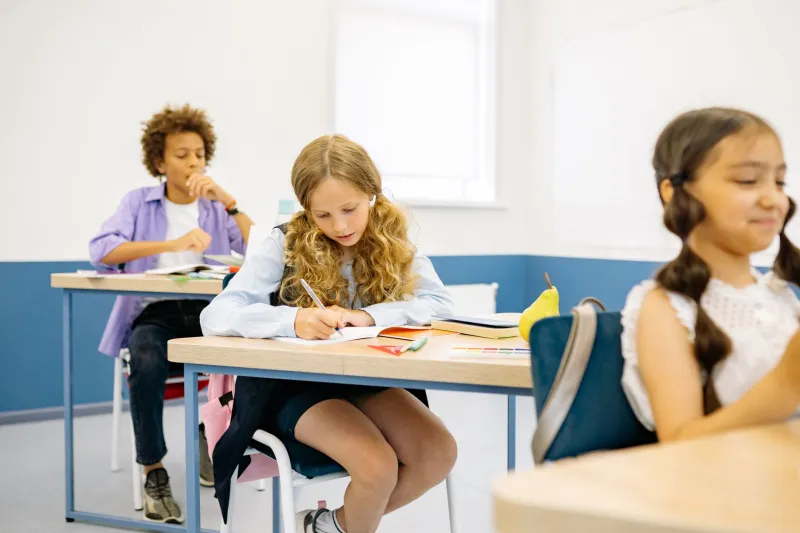
High-attaining readers in KS2 are frequently given independence before they have been equipped with the tools for genuine critical depth, and the result is a plateau rather than progression. This article challenges the assumption that confident readers need less teacher input, and offers five concrete, classroom-ready strategies for stretching the most able without creating an exclusionary reading culture.

Sentence Architecture: Building Syntactic Awareness in Years 3–6

Sentence Architecture: Building Syntactic Awareness in Years 3–6

Most KS2 pupils can identify a sentence, yet relatively few have developed the syntactic awareness needed to manipulate sentence structure with genuine sophistication. This article explores how explicitly teaching pupils to notice, deconstruct, and reconstruct the architecture of sentences can produce measurable gains in both reading comprehension and writing quality across Years 3 to 6.

Exemplar Texts in the Writing Classroom: When Models Become Moulds

Exemplar Texts in the Writing Classroom: When Models Become Moulds

The WAGOLL approach has become a fixture in KS2 writing lessons across the country, yet growing evidence suggests that presenting polished exemplars before pupils write may be quietly suppressing the very creativity teachers hope to cultivate. This article interrogates the psychological assumptions behind model texts, examines what happens when imitation crowds out invention, and proposes a more considered sequence for introducing quality writing to young learners.

What Your Walls Are Saying: Designing a KS2 Classroom That Genuinely Nurtures Reading Culture

What Your Walls Are Saying: Designing a KS2 Classroom That Genuinely Nurtures Reading Culture

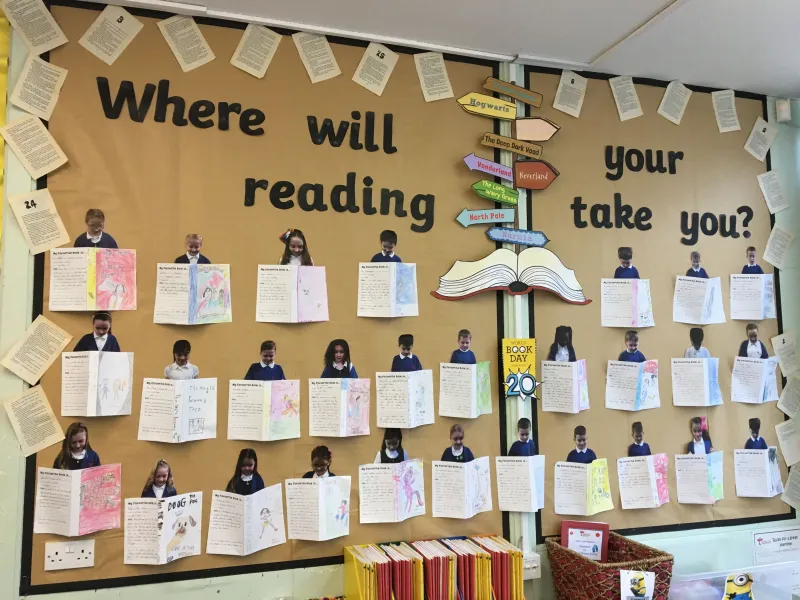
The physical environment of a KS2 classroom communicates powerful messages about what the teacher values — and pupils read those messages with surprising accuracy. Yet much of the conventional advice about reading corners and book displays focuses on aesthetics rather than impact. This article examines the specific environmental factors that genuinely shape reading culture, separating evidence-informed practice from well-intentioned decoration.

Writing Together, Growing Apart: How Shared Composition Builds Independent KS2 Writers

Writing Together, Growing Apart: How Shared Composition Builds Independent KS2 Writers

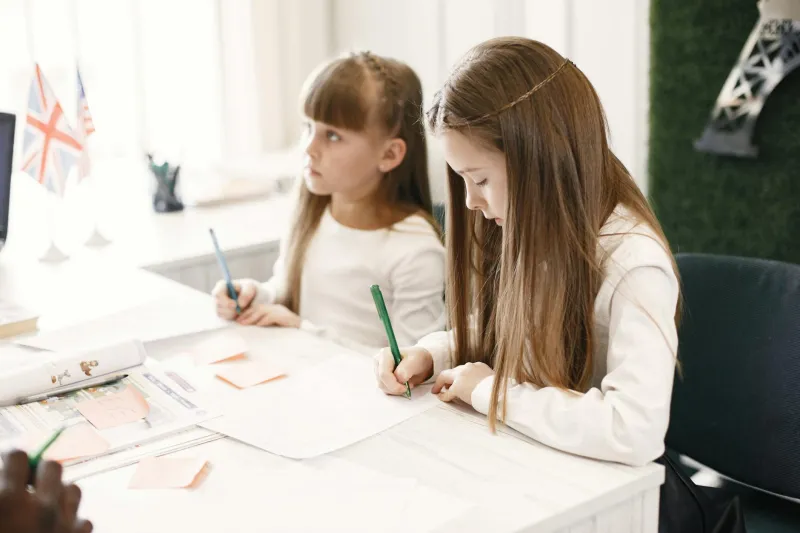
Shared writing occupies a uniquely powerful position in the literacy classroom, sitting precisely between teacher demonstration and independent composition. When structured thoughtfully, the collective drafting process internalises writerly decision-making in ways that pupils later draw upon alone. This article examines the evidence, the classroom protocols, and the gradual release of responsibility that transforms shared writing from a comfort blanket into a genuine launchpad.

One Perfect Sentence: The Case for Slow Writing in KS2 Classrooms

One Perfect Sentence: The Case for Slow Writing in KS2 Classrooms

In an educational culture that frequently equates volume with progress, slow writing offers a deliberate counter-argument: that spending an entire lesson perfecting a single sentence produces stronger writers than filling pages with unreflective first-draft prose. This article argues the case for slow writing in KS2, with practical examples across year groups and text types, and challenges teachers to reconsider what genuine writing development actually looks like.

Breaking Subject Silos: The Untapped Power of Integrated Reading Across KS2

Breaking Subject Silos: The Untapped Power of Integrated Reading Across KS2

Too many primary schools still treat reading as an isolated subject, missing powerful opportunities to build both literacy skills and subject knowledge simultaneously. This evidence-based approach reveals how strategic cross-curricular reading transforms learning outcomes without increasing teacher workload.

Contemporary Voices: Essential British Poets Transforming KS2 Classrooms

Contemporary Voices: Essential British Poets Transforming KS2 Classrooms

Discover five remarkable British poets whose work speaks directly to today's diverse primary pupils, offering fresh perspectives on identity, community, and belonging. These contemporary voices provide powerful tools for vocabulary development whilst celebrating the rich cultural tapestry of modern Britain.

The Choice Revolution: How Reading Autonomy Transforms Engagement in KS2 Classrooms

The Choice Revolution: How Reading Autonomy Transforms Engagement in KS2 Classrooms

Research consistently shows that pupil choice drives reading motivation, yet many KS2 classrooms still operate on teacher-selected texts and rigid programmes. This exploration of structured reading choice systems reveals how educators can maintain curriculum standards whilst empowering young readers to take ownership of their literary journey.

The Listening Advantage: Why Audiobooks Deserve a Place in Every KS2 Reading Programme

The Listening Advantage: Why Audiobooks Deserve a Place in Every KS2 Reading Programme

Research increasingly demonstrates that audiobooks offer significant literacy benefits for Key Stage 2 pupils, challenging traditional notions about 'real' reading. This comprehensive guide examines how teachers can harness the power of audio narratives to enhance comprehension, vocabulary acquisition, and reading motivation across Years 3-6.

Creating Reading Communities: The Book Club Revolution in Primary Schools

Creating Reading Communities: The Book Club Revolution in Primary Schools

Teacher-facilitated book clubs are emerging as powerful tools for transforming classroom reading culture in UK primary schools. This collaborative approach not only enhances comprehension skills but also builds confidence through meaningful peer interaction and shared literary experiences.